
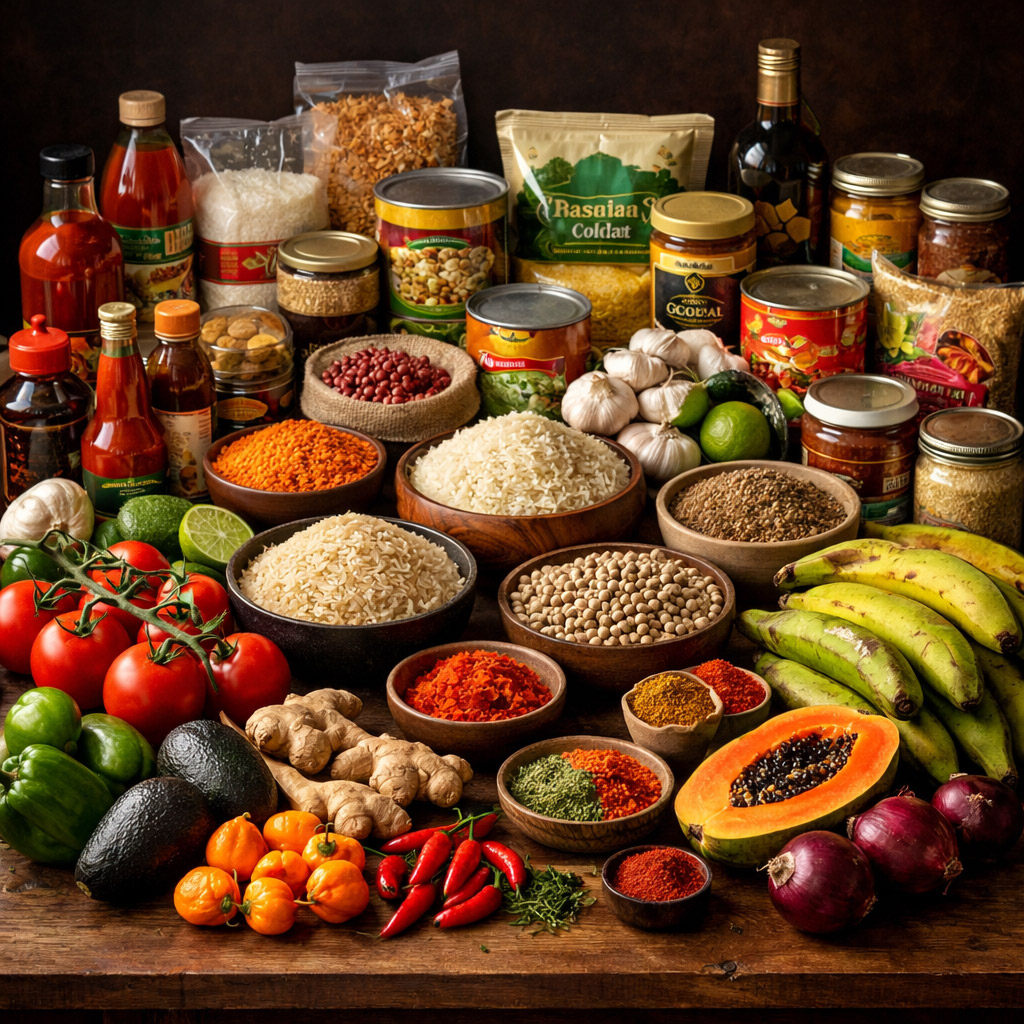


DRIED MANGO 1KG. Certified Organic | Vegan
£15.99
Mangos are a rich source of Vitamin C. The nutritional value differs slightly from that of a fresh mango as a result of the drying process. The Vitamin C content is reduced, but the dried fruit still contains a significant amount of fibre and antioxidants.
100 grams of dried mango contains about 314 calories, in which carbohydrates are the main source of calories, followed by protein and fat.Dried mango has 20% of the daily value for Vitamin A and notable content of Vitamin B and E. However, most of the Vitamin C in the mango is lost during the process of dehydration; it carries only 2% of the daily value. Minerals such as calcium, iron, and phosphorus can be found in dried mangoes.
With additional process of blanching, dried mango can retain the content of its carotenoids and vitamin C.
As with other fruits, mangoes contain antioxidants, such as mangiferin. These may help protect cells in the human body from radical damage associated with diabetes, cancer, and aging.
Delivery Information
We deliver fresh groceries directly to your doorstep with speed and care.
- 🚚 Next day delivery for all areas.
- ⏱️ Fast and reliable delivery times
- 💰 Delivery fees are calculated at checkout
We aim to get your order to you as quickly as possible while keeping everything fresh.
Returns & Refund Policy
Your satisfaction is important to us.
- If you receive damaged or incorrect items, please contact us as soon as possible
- We will review your request and offer a replacement or refund where applicable
- Refunds are processed based on the issue reported
We’re here to make sure you have a smooth and worry-free experience.
Need Help?
We’re here to support you every step of the way.
- 💬 Contact us instantly via WhatsApp for quick assistance
- 📧 Email support available for all enquiries
- ⏱️ Fast response times during business hours
Have a question? Don’t hesitate to reach out — we’re happy to help.
Freshness Guarantee
We take pride in delivering high-quality, fresh groceries.
- 🥬 Sourced from trusted local vendors
- 🌍 Carefully selected for quality and freshness
- ✔ Packed and handled with care
Our goal is to bring you the same freshness you’d find at your local market.


